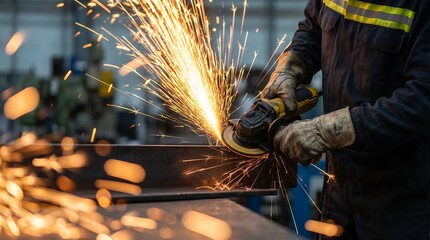
What Is Metal Fabrication and Why Is It Important?

metal works

Have you ever stopped to think about how the metal products used every day come to life? From structural components in buildings to equipment parts, vehicles, and household fixtures, countless items begin as raw sheets, tubes, or bars of metal. The transformation of these materials into functional products is enabled by a process known as metal fabrication. This essential industry supports manufacturing, construction, transportation, agriculture, and many other sectors that rely on durable and precisely crafted metal components.

Boise Metal Fabrication is more than simply cutting and shaping metal. It combines skilled craftsmanship, advanced technology, and engineering expertise to create products that meet exact specifications. Understanding how metal fabrication works and why it matters can help businesses and consumers appreciate the value behind the metal products they use every day.

Understanding Metal Fabrication

Metal fabrication is the process of transforming raw metal materials into finished products, components, or structures. This process involves a variety of techniques that modify metal into desired shapes and sizes according to specific designs and requirements.

Fabrication typically begins with raw materials such as steel, aluminum, copper, stainless steel, or other metal alloys. These materials are then cut, bent, assembled, and finished to create the final product. Depending on the project, metal fabrication can produce anything from small machine parts to large structural frameworks.

The process often requires detailed planning and engineering to ensure the finished product performs as intended. Precision is critical because even small measurement errors can affect the quality, functionality, and safety of the final result.

Common Processes Used in Metal Fabrication

Metal fabrication consists of several specialized processes that work together to transform raw materials into finished products. Each process serves a unique purpose and contributes to the overall quality of the project.

Cutting is one of the most common fabrication methods. Metal can be cut using saws, lasers, plasma systems, water jets, or other specialized equipment. The goal is to achieve accurate dimensions while minimizing material waste.

Bending is another important process. Fabricators use specialized machinery to shape metal into angles, curves, and other configurations. Proper bending techniques ensure structural integrity while achieving the desired design.

Welding joins separate pieces of metal together. This process creates strong connections that can withstand significant stress and load requirements. Skilled welders play a crucial role in ensuring durability and performance.

Machining involves removing material to achieve precise dimensions and surface finishes. Drilling, milling, and turning are common machining operations used in fabrication projects.

Assembly combines fabricated components into a completed product. This stage may involve welding, fastening, or other joining methods to create a functional structure or system.

Finishing processes help improve appearance, durability, and resistance to corrosion. Surface treatments may include polishing, coating, painting, or protective applications that extend the life of the metal product.

Materials Commonly Used in Metal Fabrication

The choice of material significantly influences the fabrication process and the performance of the final product. Different metals offer unique advantages depending on the intended application.

Steel is one of the most widely used materials in fabrication because of its strength, durability, and versatility. It is commonly found in structural frameworks, industrial equipment, and heavy machinery.

Stainless steel is valued for its resistance to corrosion and attractive appearance. It is frequently used in food processing equipment, medical devices, and architectural applications.

Aluminum is lightweight yet strong, making it ideal for transportation, aerospace, and consumer products. Its natural resistance to rust adds to its popularity across various industries.

Copper is known for its excellent electrical conductivity and corrosion resistance. It is commonly used in electrical systems, plumbing components, and specialized industrial equipment.

Specialized alloys are often selected when projects require enhanced strength, heat resistance, or other performance characteristics. The material selection process plays a major role in determining the success and longevity of the finished product.

Industries That Depend on Metal Fabrication

Metal fabrication serves as a foundation for numerous industries. Without fabricated metal components, many modern systems and structures would not exist.

The construction industry relies heavily on fabricated steel and metal products for buildings, bridges, and infrastructure projects. Structural beams, support systems, railings, and custom architectural elements all require fabrication expertise.

Manufacturing operations depend on fabricated equipment, machinery parts, and production systems. Many manufacturing facilities use custom fabricated solutions designed specifically for their processes.

Transportation industries use fabricated metal components in vehicles, trailers, ships, rail systems, and aircraft. These parts must meet strict standards for safety, performance, and durability.

Agriculture benefits from fabricated machinery, equipment frames, storage systems, and processing equipment. Durable metal components help farmers and agricultural businesses maintain productivity.

Energy and utility sectors require fabricated products for power generation, distribution systems, and specialized equipment. Metal fabrication plays an important role in supporting critical infrastructure.

Healthcare, telecommunications, and technology industries also depend on fabricated metal components for equipment housings, support structures, and precision parts.

The Benefits of Professional Metal Fabrication

Professional metal fabrication offers numerous advantages that contribute to the success of projects across various industries. One of the most significant benefits is customization. Fabrication allows products to be designed and built according to specific requirements, ensuring a precise fit and optimal performance.

Quality control is another major advantage. Experienced fabricators follow detailed procedures and standards to maintain consistency throughout the production process. This attention to detail helps reduce defects and improve reliability.

Efficiency also plays a key role. Modern fabrication facilities use advanced equipment and technology to complete projects accurately and within established timelines. Improved efficiency often leads to cost savings and better resource utilization.

Durability is another important benefit. Properly fabricated metal products are designed to withstand demanding environments and heavy usage. This longevity reduces maintenance requirements and replacement costs over time.

Professional fabrication services can also improve safety. Components manufactured according to engineering specifications are better equipped to handle expected loads, stresses, and operating conditions.

Technology and Innovation in Modern Metal Fabrication

The metal fabrication industry has evolved significantly over the years due to advancements in technology. Modern fabrication facilities use sophisticated equipment and digital tools to enhance precision, productivity, and quality.

Computer aided design software allows engineers and fabricators to create detailed digital models before production begins. These models help identify potential issues early and improve project accuracy.

Automation has become increasingly common in fabrication operations. Automated cutting systems, robotic welding equipment, and computerized machinery help increase consistency while reducing production time.

Laser cutting technology provides exceptional precision and flexibility. Fabricators can create intricate designs and complex shapes that would have been difficult to achieve using traditional methods.

Advanced quality control systems also contribute to better outcomes. Digital measurement tools and inspection technologies help verify that fabricated components meet exact specifications.

As technology continues to evolve, metal fabrication is becoming more efficient, sustainable, and capable of producing increasingly complex products.

Why Metal Fabrication Remains Essential

Metal fabrication continues to be a vital part of modern industry because it transforms raw materials into practical solutions that support everyday life. Whether constructing buildings, manufacturing equipment, or producing transportation components, fabricated metal products provide the strength and reliability needed for countless applications.

The versatility of fabrication allows industries to adapt to changing demands and create customized solutions for unique challenges. As new technologies emerge and industries evolve, the need for expertly fabricated metal products remains strong.

The ability to combine engineering, craftsmanship, and advanced manufacturing techniques ensures that metal fabrication will continue to play an important role in economic growth and infrastructure development. Its contributions extend across nearly every sector, making it one of the most essential processes in modern manufacturing.

Final Thoughts

Metal fabrication is the foundation behind many of the products and structures that shape daily life. Through processes such as cutting, bending, welding, machining, and assembly, raw metal materials are transformed into functional and durable components used across countless industries. The combination of skilled workmanship, quality materials, and advanced technology allows fabrication professionals to create products that meet demanding performance standards. As industries continue to grow and innovate, metal fabrication will remain an indispensable part of building, manufacturing, and maintaining the world around us.

What Is Home Pest Control and How Can It Keep Your Home Pest Free?

pest control

Few things are more frustrating than discovering unwanted pests inside your home. Whether it is ants marching across the kitchen counter, rodents hiding in the attic, or cockroaches appearing in dark corners, pests can quickly turn a comfortable living space into a source of stress. Many homeowners do not notice a pest problem until it becomes severe, which often leads to costly repairs and health concerns.

The good news is that home Pest Control Vero Beach provides an effective way to prevent infestations, protect property, and maintain a healthier indoor environment. Understanding how home pest control works can help homeowners take proactive steps to keep their living spaces safe and pest free throughout the year.

Understanding Home Pest Control

Home pest control refers to the process of preventing, managing, and eliminating unwanted insects, rodents, and other pests from residential properties. The goal is not only to remove existing infestations but also to create conditions that discourage pests from returning in the future.

Pests are constantly searching for food, water, and shelter. Homes provide all three of these necessities, making them attractive environments for a wide variety of insects and animals. Without proper prevention and maintenance, pests can quickly establish themselves and multiply.

Modern home pest control focuses on long term solutions rather than simply treating visible pests. Effective pest management includes inspections, sanitation, exclusion methods, monitoring, and targeted treatments designed to address the source of the problem. By taking a comprehensive approach, homeowners can significantly reduce the risk of recurring infestations.

Common Household Pests and Their Risks

Many different pests can invade residential properties, and each presents unique challenges. Ants are among the most common household pests because they can easily enter through small openings in search of food and water. While some species are primarily a nuisance, others may cause structural damage or contaminate food supplies.

Cockroaches are another frequent concern in homes. These pests thrive in warm and humid environments and can spread bacteria throughout kitchens, bathrooms, and storage areas. Their presence may also contribute to allergies and respiratory issues in sensitive individuals.

Rodents such as mice and rats pose significant risks because they chew through insulation, wiring, and building materials. Damaged electrical wiring can increase the risk of fires, while rodent droppings may introduce harmful pathogens into the home.

Termites are especially destructive because they feed on wood and other cellulose materials. Many homeowners do not realize they have a termite problem until extensive structural damage has already occurred. Other common pests include spiders, bed bugs, fleas, mosquitoes, and pantry pests, all of which can affect comfort, cleanliness, and safety.

Why Pest Prevention Is More Effective Than Pest Removal

One of the most important principles of home pest control is prevention. Eliminating an active infestation can be challenging and expensive, while preventive measures are often simpler and more affordable.

Preventive pest control focuses on reducing the factors that attract pests in the first place. This includes eliminating food sources, controlling moisture, sealing entry points, and maintaining a clean environment. When pests cannot find what they need to survive, they are far less likely to establish themselves inside the home.

Regular inspections also play a key role in prevention. Early detection allows homeowners to identify warning signs before infestations become severe. Small pest problems are generally much easier to manage than large infestations that have had time to spread throughout the property.

A preventive approach not only reduces pest activity but also helps protect the long term condition of the home and minimizes the need for extensive treatments later.

How Home Pest Control Inspections Work

Inspections are one of the most important parts of an effective pest control program. During an inspection, professionals carefully examine the property for signs of pest activity, potential entry points, and environmental conditions that may attract pests.

Exterior inspections often focus on the foundation, roofline, windows, doors, and landscaping. Cracks, gaps, and damaged seals can provide easy access for insects and rodents. Overgrown vegetation near the home may also create shelter and pathways for pests.

Interior inspections typically include kitchens, bathrooms, basements, attics, crawl spaces, and utility rooms. These areas are examined for droppings, nests, moisture issues, damaged materials, and other indicators of pest activity.

A thorough inspection helps identify not only the pests present but also the underlying factors contributing to the problem. This information allows homeowners to implement targeted solutions that address the root cause rather than simply treating visible symptoms.

The Importance of Sanitation in Pest Control

Sanitation is one of the most effective and often overlooked aspects of home pest control. Pests are attracted to environments where food and water are readily available. Maintaining a clean home significantly reduces the likelihood of infestations.

Food should be stored in sealed containers whenever possible. Crumbs, spills, and pet food left out overnight can quickly attract ants, cockroaches, and rodents. Regular cleaning of countertops, floors, and appliances helps eliminate food sources that pests rely on.

Moisture control is equally important. Leaking pipes, standing water, and excessive humidity create ideal conditions for many pests. Repairing leaks and ensuring proper ventilation can help make the home less attractive to insects and rodents.

Trash should be removed regularly and stored in tightly sealed containers. Outdoor garbage areas should also be maintained to prevent pests from gathering near the home and eventually moving indoors.

Sealing Entry Points to Keep Pests Out

Even the cleanest home can experience pest problems if pests are able to enter easily. Many insects and rodents can fit through surprisingly small openings around doors, windows, utility lines, and foundation cracks.

One of the most effective pest control strategies is sealing these entry points. Weather stripping, caulking, and door sweeps help close gaps that pests use to gain access to the home. Repairing damaged screens and sealing utility penetrations further improves protection.

Rodents are particularly skilled at finding small openings. Mice can squeeze through holes much smaller than many homeowners expect. Regularly inspecting the exterior of the property helps identify vulnerable areas before they become major entry points.

Exclusion methods are valuable because they prevent pests from entering rather than relying solely on treatments after infestations occur.

Safe and Modern Pest Control Methods

Home pest control has evolved significantly over the years. Modern pest management focuses on targeted treatments and integrated strategies that minimize unnecessary chemical use while maximizing effectiveness.

Many pest control programs now use Integrated Pest Management principles. This approach combines inspection, monitoring, sanitation, exclusion, and carefully selected treatments to achieve long term control. Instead of relying entirely on pesticides, Integrated Pest Management addresses the environmental conditions that support pest activity.

Targeted treatments may include baits, traps, dust applications, and localized treatments designed specifically for the pest being managed. These methods often provide more effective results while reducing exposure to people and pets.

By focusing on prevention and precision, modern pest control solutions help homeowners maintain safer and healthier living environments.

Seasonal Pest Control Considerations

Pest activity often changes throughout the year, making seasonal maintenance an important part of home pest control. Different pests become more active during certain seasons depending on weather conditions and available food sources.

Spring and summer often bring increased activity from ants, mosquitoes, flies, and stinging insects. Warmer temperatures encourage breeding and expansion of pest populations. Homeowners may need to pay extra attention to outdoor sanitation and standing water during these months.

Fall is a common time for rodents and other pests to seek shelter indoors as temperatures begin to drop. Sealing entry points and conducting inspections before colder weather arrives can help prevent infestations.

Winter may not eliminate pests entirely. Many insects and rodents remain active indoors where temperatures are more favorable. Year round monitoring and maintenance provide the most effective long term protection against seasonal pest pressures.

Benefits of Professional Home Pest Control

While homeowners can perform many preventive measures themselves, professional pest control services offer additional expertise and resources. Professionals understand pest behavior, life cycles, and treatment methods that may not be obvious to the average homeowner.

Professional inspections often identify hidden infestations and structural vulnerabilities that might otherwise go unnoticed. Pest control specialists can also develop customized treatment plans based on the specific needs of the property.

Another advantage of professional services is ongoing monitoring. Regular visits help detect changes in pest activity and address new issues before they become major problems. This proactive approach often saves homeowners money by preventing extensive infestations and property damage.

Professional pest control provides peace of mind by ensuring that potential threats are managed consistently and effectively throughout the year.

Conclusion

Home pest control is an essential part of maintaining a clean, safe, and comfortable living environment. Pests can damage property, contaminate food, and create health concerns if left unchecked. By understanding how pests enter homes and what attracts them, homeowners can take proactive steps to reduce infestation risks.

Effective home pest control combines prevention, sanitation, inspections, moisture management, exclusion techniques, and targeted treatments. Rather than waiting for pests to become a serious problem, a preventive approach helps maintain long term protection and reduces the need for extensive corrective measures.

Whether addressing seasonal pest activity or implementing year round prevention strategies, investing in home pest control helps protect both the property and the people who live in it. With consistent maintenance and attention to detail, homeowners can enjoy a healthier and more pest free environment for years to come.

The Evolution of Modern Fashion: Style, Identity, and Sustainable Expression

fashion

Fashion is one of the most influential and constantly evolving aspects of modern culture, shaping how individuals express identity, confidence, and creativity in everyday life. It extends far beyond clothing choices and enters the realm of personal storytelling, where fabrics, colors, silhouettes, and accessories come together to communicate personality without words. In a fast-changing world, fashion continues to adapt to shifting lifestyles, technological advancements, and cultural preferences, making it both a personal expression and a global industry. Understanding fashion today means looking at how trends develop, how individuals build personal style, and how sustainability and functionality are becoming increasingly important in wardrobe decisions.

At its core, fashion is about self-expression and individuality. People use clothing not only to protect themselves from environmental conditions but also to project identity, mood, and social awareness. What someone wears can reflect confidence, creativity, professionalism, or comfort, depending on context and intention. Over time, fashion has moved away from rigid rules and toward a more flexible understanding of style, where mixing and matching different influences is encouraged. This shift has made fashion more inclusive, allowing individuals to experiment freely and discover combinations that best represent their personal aesthetic.

Modern fashion trends are heavily influenced by lifestyle changes, digital media exposure, and the growing demand for versatility. Instead of being limited to seasonal collections, style inspiration now flows continuously through online platforms, everyday environments, and global cultural exchange. This creates a dynamic fashion landscape where trends evolve quickly and often blend multiple influences at once. As a result, individuals are no longer passive consumers but active participants in shaping fashion direction through their choices and preferences.

Several key elements currently define contemporary fashion trends:

  1. Emphasis on comfort-driven clothing that blends style with practicality.
  2. Rise of neutral tones combined with bold accent pieces for contrast.
  3. Integration of casual and formal wear into hybrid fashion styles.
  4. Focus on minimalist designs with clean lines and simple silhouettes.
  5. Growing popularity of versatile outfits suitable for multiple occasions.

These trends highlight a shift toward functionality without sacrificing visual appeal, reflecting the needs of a fast-paced and adaptable lifestyle.

Another important aspect shaping the fashion industry is sustainability. As awareness of environmental impact increases, more attention is being given to responsible production practices and conscious consumption. Sustainable fashion focuses on reducing waste, using eco-friendly materials, and encouraging longer-lasting clothing choices. Instead of frequent replacement, the emphasis is on quality pieces that can be worn in multiple ways and maintained over time. This approach not only benefits the environment but also encourages individuals to build more intentional and meaningful wardrobes.

Sustainable fashion practices often include several important strategies:

  1. Choosing durable fabrics designed for long-term use.
  2. Supporting clothing made from recycled or natural materials.
  3. Reducing overconsumption by investing in versatile pieces.
  4. Repairing and reusing garments instead of discarding them.
  5. Prioritizing timeless styles over short-lived trends.

By adopting these habits, individuals contribute to a more responsible fashion ecosystem while also developing a more refined and cohesive personal style.

Personal style development is one of the most rewarding aspects of fashion. Unlike trends that change frequently, personal style reflects long-term preferences, lifestyle needs, and individual expression. Developing a strong sense of style involves experimentation, observation, and self-awareness. It requires understanding which colors complement personal features, which silhouettes provide comfort and confidence, and which combinations align with daily activities. Over time, individuals begin to recognize patterns in their choices, allowing them to refine their wardrobe into a more cohesive and intentional collection.

Fashion also plays a psychological role in influencing mood and confidence. Clothing can affect how individuals perceive themselves and how they are perceived by others. Wearing well-fitted and thoughtfully chosen outfits often enhances self-esteem and encourages positive interactions. In professional settings, fashion can communicate competence and attention to detail, while in casual environments, it can express relaxation and personality. This connection between clothing and psychology highlights the importance of making intentional fashion choices that align with both internal and external environments.

Wardrobe essentials form the foundation of any well-rounded fashion approach. While trends come and go, certain clothing items remain consistently useful due to their versatility and adaptability. These essentials allow individuals to create multiple outfits without requiring an extensive wardrobe. Building a strong foundation ensures that fashion choices remain functional and stylish across different occasions.

Some essential wardrobe items include:

  1. Well-fitted neutral tops that can be paired with various bottoms.
  2. Classic trousers or bottoms suitable for both casual and semi-formal wear.
  3. Lightweight layering pieces that adapt to changing weather conditions.
  4. Comfortable footwear designed for daily wear and versatility.
  5. Simple accessories that complement a wide range of outfits.

These foundational pieces help create a balanced wardrobe that supports both practicality and creativity.

Fashion is also closely tied to cultural expression and social influence. Throughout history, clothing has been used to reflect traditions, beliefs, and societal changes. In the modern era, fashion continues to serve as a bridge between cultural identity and global interaction. While influences may come from many directions, individuals often adapt these inspirations in ways that reflect their personal values and experiences. This blending of cultural elements contributes to the richness and diversity of contemporary fashion.

Technology has further transformed the way fashion is created, shared, and consumed. Digital platforms allow individuals to explore style inspiration instantly, while advanced design tools enable more innovative approaches to clothing production. Virtual fitting experiences, personalized recommendations, and online shopping options have made fashion more accessible than ever before. This integration of technology into fashion continues to expand possibilities for both creators and consumers, making style exploration more interactive and efficient.

As fashion continues to evolve, versatility remains one of its most important qualities. Modern wardrobes are increasingly designed to adapt to multiple settings, from professional environments to casual outings. This adaptability reflects a broader lifestyle shift toward simplicity, efficiency, and practicality. Instead of owning large quantities of clothing, individuals are focusing on carefully selected pieces that can be styled in multiple ways, reducing clutter while maximizing outfit combinations.

In conclusion, fashion is a dynamic and expressive field that continues to shape how individuals present themselves and interact with the world. It combines creativity, functionality, cultural influence, and personal identity into a constantly evolving form of expression. From emerging trends and sustainable practices to personal style development and wardrobe essentials, fashion plays a significant role in everyday life. As individuals become more conscious of their choices, fashion is increasingly defined not just by appearance but by intention, adaptability, and meaning.

Navigation